
This article originally appeared in our weekly newsletter. Subscribe by signing up for a free loyalty account here.
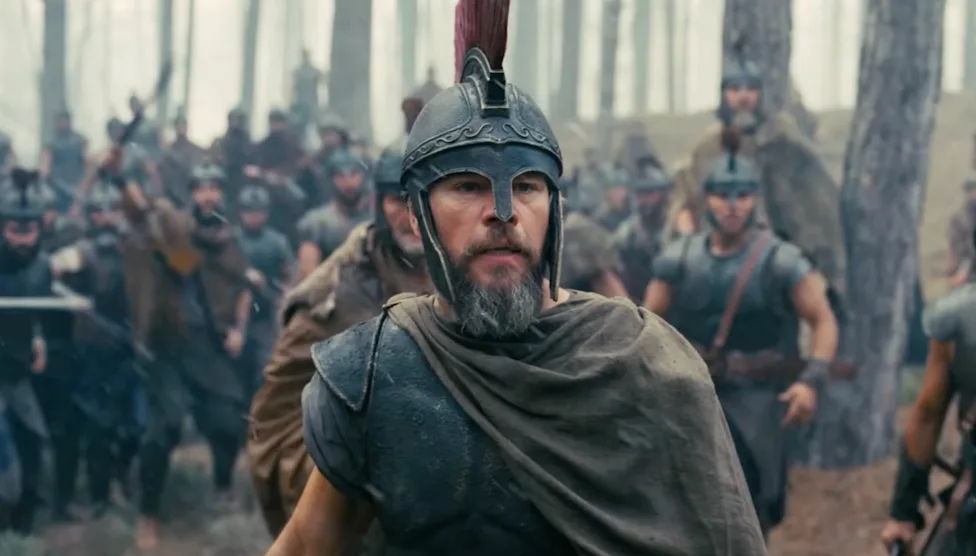
It’s official: The Odyssey isn’t just a movie — it’s an event. In addition to grossing $261.1 million worldwide in its opening weekend, its popularity comes equipped with genuine enthusiasm for moviegoing thrills. On its earnings call, IMAX reported that $100 million of the total gross came from its screens alone. The movie continues to arrive around the world, rolling out across Asia in the coming weeks as its cast and crew continue their global victory tour.
In the U.S., big-screen enthusiasts have been making pilgrimages around the country to experience The Odyssey in every possible format. Theaters have been adding showtimes at the crack of dawn and the middle of the night to accommodate demand. Online trolls demanding historical accuracy from a fictional text about mythical characters and gods have been discredited. Filmmaker Christopher Nolan, in his first feature after the billion-dollar-grossing Oscar juggernaut Oppenheimer, is now the undisputed king of Hollywood.
Nolan scored a blank check following the unexpected success of his last movie and he spent it wisely. Yet such accomplishments don’t materialize overnight, and each chapter in Nolan’s continually profitable career reflects a unique capacity to survive — and thrive — within the dynamics of an ever-changing entertainment landscape.
Nolan’s first feature Following, a lo-fi black-and-white thriller about a man obsessed with tracking the movements of strangers around the city, demonstrated his immediate skill: a twisty, engrossing mystery box with tangled timelines and moody exchanges, its appeal stems from the way it leverages a small budget into big opportunities. The movie never strains from a lack of resources as its minor-key story fits neatly into the scale at hand.
A breakout hit at the Slamdance Film Festival in 1998, Following demonstrated a singular tone and vision at a time when the American independent film market was scrambling to uncover new talent. Released in the aftermath of Quentin Tarantino’s Reservoir Dogs, Kevin Smith’s Clerks, and Todd Haynes’ Poison, Following arrived as each year brought a new wave of expectations for original voices to become the Next Big Thing. Nolan delivered not by making an obvious commercial bet, but an original achievement indicative of future potential.
That was enough to secure his next undertaking, Memento, a modern classic that celebrates its 25th anniversary last year. An engrossing and enigmatic noir about a figure suffering from short-term memory loss, Memento unfolds in reverse order, forcing the viewer to engage with its structure alongside its protagonist to unearth the mysteries at its core. It was a riveting achievement that cemented Nolan’s ability to render cerebral narrative concepts in palatable terms.
His follow-up, the atmospheric genre exercise Insomnia, offered less ingenuity but showed Nolan’s competence with a bigger budget and huge movie stars (Robin Williams, Al Pacino), making it clear he could juggle commercial and artistic considerations with rare clarity and elegance. And it proved that Nolan could thrive within the machinery of Hollywood, a rare skill among singular filmmakers but an essential one for reaching audiences on an international scale.
By the mid-aughts, Hollywood studios were starting to feel the pressure to reintroduce stale IP, and superhero movies were waiting in the wings. For a lot of filmmakers, this marked an existential threat: Newer film festival breakouts could score gigs directing massive franchises but lose their artistic credibility in the process.
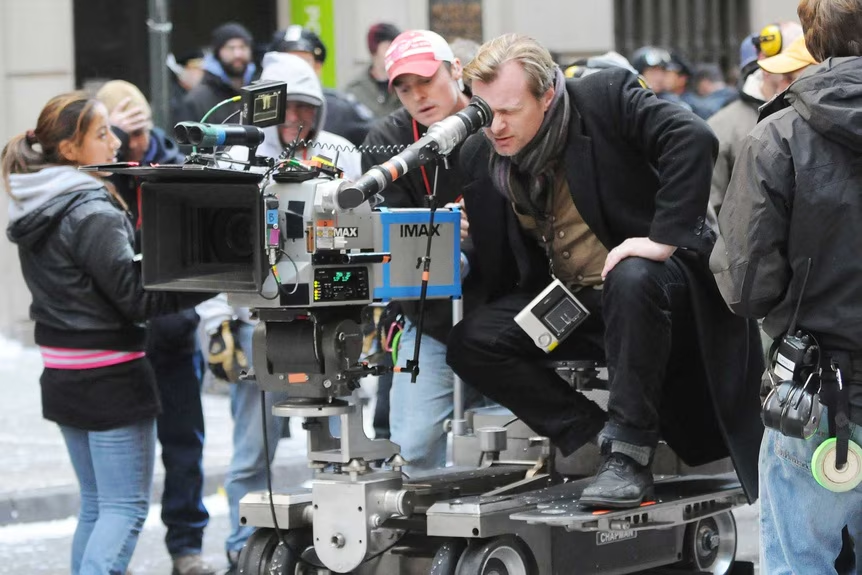
Nolan, however, stepped up to the challenge. His three Batman movies provided an ideal outlet for his evolving aesthetic and ambition. Without abandoning the essence of the character, Nolan delivered a series of absorbing crime dramas that just so happened to feature a billionaire playboy in a Batsuit. They deepened the essence of the character and his milieu without abandoning the shadowy action thrills expected from the material. They also offered Nolan a playground for expanding his technical skills. For The Dark Knight, he shot the opening robbery sequence on IMAX cameras, taking large-format technology out of the realm of science museums and elevating its potential for the next chapter of blockbuster storytelling.
While James Cameron’s Avatar movies and the Marvel Cinematic Universe made plenty of noise in the years that followed, Nolan’s IMAX adventures set the stage for the next chapter of the theatrical experience. This was a crucial achievement in the early days of streaming platforms and smartphones, as users gradually learned how to entertain themselves at home and on the move.
By making movies for a towering screen, Nolan planted a seed that would enable theaters to retain their currency over the next two decades and emerge from the pandemic with their value intact. His ability to call up IMAX CEO Richard Gelfond and get the greenlight to make The Odyssey entirely with IMAX cameras would never have happened without such an early commitment to the medium.
Ironically given its existing pedigree, Batman gave Nolan the ability to pave his own path with original stories. Everything he has directed since then, from the dreamscapes of Inception to the cosmic voyages of Interstellar, represents an achievement few other filmmakers can achieve today: an original event film. Even the WWII battlefields of Dunkirk and the bureaucratic debates of Oppenheimer maintain a thrilling unpredictability, the root of what makes Nolan such a first-rate director. You don’t have to love everything he’s done to appreciate the skill at hand — which is the mark of a great artist in any medium.
The success of The Odyssey underscores that the future of moviegoing exists in concert with the commitment of artists behind the camera. For decades, Hollywood thrived on what historian Thomas Schatz termed “the genius of the system,” an ability to crank out commercially viable work with creative integrity intact. The system has changed a lot since then, and the genius has sometimes faltered, but the basic need remains the same. Curry Barker’s surprise summer hit Obsession is a low-budget genre movie that never overextends itself and benefits from the confidence of its director’s vision. It’s hard to say whether Barker or any other new filmmaker could inherit Nolan’s mantle, but if they do, it’s going to take some time.
Nolan showed that navigating the commercial arena requires a willingness to play the long game. When he won the Oscar for directing Oppenheimer, he was handed the statue by Steven Spielberg, and you couldn’t ask for a more appropriate person to pass the torch. Not since Spielberg’s early string of hits — from Jaws and Close Encounters to Raiders of the Lost Ark and beyond — has a director managed to navigate what the business wants while bending it toward a personal agenda. Nolan’s recent election as the president of the Directors Guild of America means that the industry is in good hands.
More than that, the success of The Odyssey means Nolan will continue to have carte blanche to do what he wants. Under the right circumstances, that freedom can yield constant returns. When Nolan made Following, Spielberg was two decades out from the overnight success of Jaws and had recently delivered the one-two punch of Jurassic Park and Schindler’s List, with Saving Private Ryan around the corner. If the past is prologue, with The Odyssey, Nolan is just getting started.
The Odyssey is now playing at the Southampton Playhouse.