
This article originally appeared in our weekly newsletter. Subscribe by signing up for a free loyalty account here.
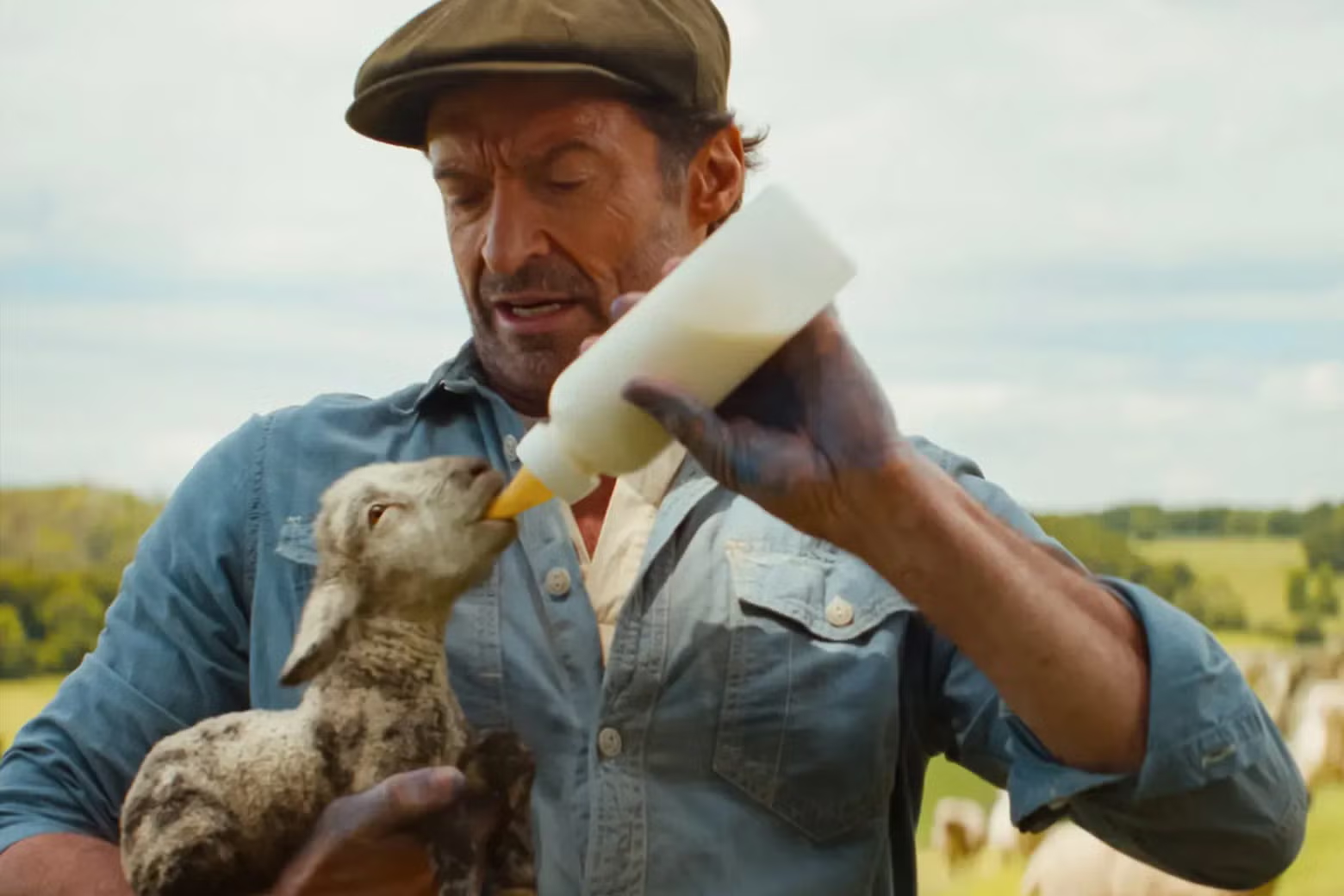
Murder mysteries are not traditionally considered fun for the whole family, but The Sheep Detectives isn’t your average murder mystery. Set in the English countryside, where a flock sets out to find the culprit behind the death of their owner, the movie suggests Babe by way of Agatha Christie, and it arrives in theaters with the endorsement coveted by all family-friendly entertainment: the PG rating.
Over the years, the Motion Picture Association — formerly known as the MPAA — has made several determinations to guide audiences through their options.
In 1972, the PG (parent guidance) rating added a bit more wiggle room between the all-ages G rating and the adult-only realm of the X. A little over a decade later, outrage over the exaggerated gore of the PG-rated Indiana Jones and the Temple of Doom led to the birth of the PG-13, which became the coveted Hollywood sweet spot for most blockbusters: adult enough for the teenage crowd, but not bawdy enough to offend their parents. Most of the time, anyway.
The bulk of the biggest tentpoles released by major studios aim for PG-13 standards, from Marvel and DC hits (which have plenty of action-violence but not a lot of cursing or sex) to crowdpleasers like Project Hail Mary and The Devil Wears Prada 2. Gradually, though, the PG movie has been making a comeback. Four of the top 10 movies at the global box office this year boasted that rating: Zootopia 2, Lilo & Stitch, A Minecraft Movie, and How to Train Your Dragon.
This year, The Sheep Detectives follows the animated Pixar offering Hoppers, and they’ll have plenty of PG company in the months ahead, including anticipated summer hits Toy Story 5 (June 19) and Minions and Monsters (July 1).
The upcoming DreamWorks animated film Forgotten Island (September 25), which I saw as an unfinished version a few weeks ago, epitomizes the opportunity of the PG movie: It’s a colorful action-adventure story about two teenage Filipino girls who go on a rowdy trip to a fantastical journey. It’s loaded with zany coming-of-age humor that wouldn’t look out of place in Superbad, but the jokes are relatively clean, the colors will keep younger viewers engaged, and older audiences will sense enough emotional resonance to feel engaged by the personal stakes.
The ratings system can be misguided when it comes to capturing the taste and sensibilities of teen audiences. After all, the R-rated Scream franchise speaks to teen sensibilities above all. Last year’s most celebrated commercial releases, One Battle After Another and Sinners, were rated R — though they embody powerful ideas about conflict and history with undeniable appeal to teen viewers.
But pre-teen audiences, who more often than not see movies with their parents, certainly benefit from the PG boost. A good PG movie will feature enough spectacle or substance for older audiences to remain engaged while providing younger viewers with a bridge to the more advanced narrative experiences that await them in the years ahead.

The engaged adult moviegoer could care less about ratings. While I fondly recall the likes of G-rated Fantasia and Dumbo in my childhood, it was Breathless and Touch of Evil that made me a movie person in my teen years, and set me up for appreciating cinema as a global art form with a century of history worth constant exploration. The ratings system is irrelevant to this process. If you’re watching a range of historical films, and engaged by them, you’re probably the right age.
But the MPA guidance comes in handy for parents intent on leading younger viewers beyond the bottom-of-the-barrel animated entertainment at their immediate disposal. PG movies often provide a little more than that. Early last year, my four-year-old daughter watched the PG-rated Paddington in Peru, her first theatrical experience of a feature-length film, in the back row of Theater 2 at the Southampton Playhouse. She remained quietly engaged throughout, as the lovable bear hero made his way through the jungle and ultimately reunited with his relatives in a sentimental finale.
Yet as we exited the theater and blinked in the bright lights of the lobby, she was quiet. I asked her if she liked the movie, and her face contorted, as if on the verge of tears. “The bear…got lost,” she said, which wasn’t a yes or no so much as a real-time emotional report card. A few days later, she concluded that she loved it.
While Paddington in Peru may not be the greatest entry in that franchise, it excelled at providing an entry point to the challenges involved in processing a well-told story. Narrative requires a willingness to experience emotions at involuntary moments and contend with the element of surprise. It deals with unpleasant complications and uncertainties. Even escapism at its best doesn’t make you feel good at every moment.
As someone who treasures the cinematic experience, I always crave the opportunity to engage with stories and visual achievements that I’ve never seen before. If there has to be a training wheel phase for that sensibility, the PG rating is a perfect place to start.