
This article originally appeared in our weekly newsletter. Subscribe by signing up for a free loyalty account here.
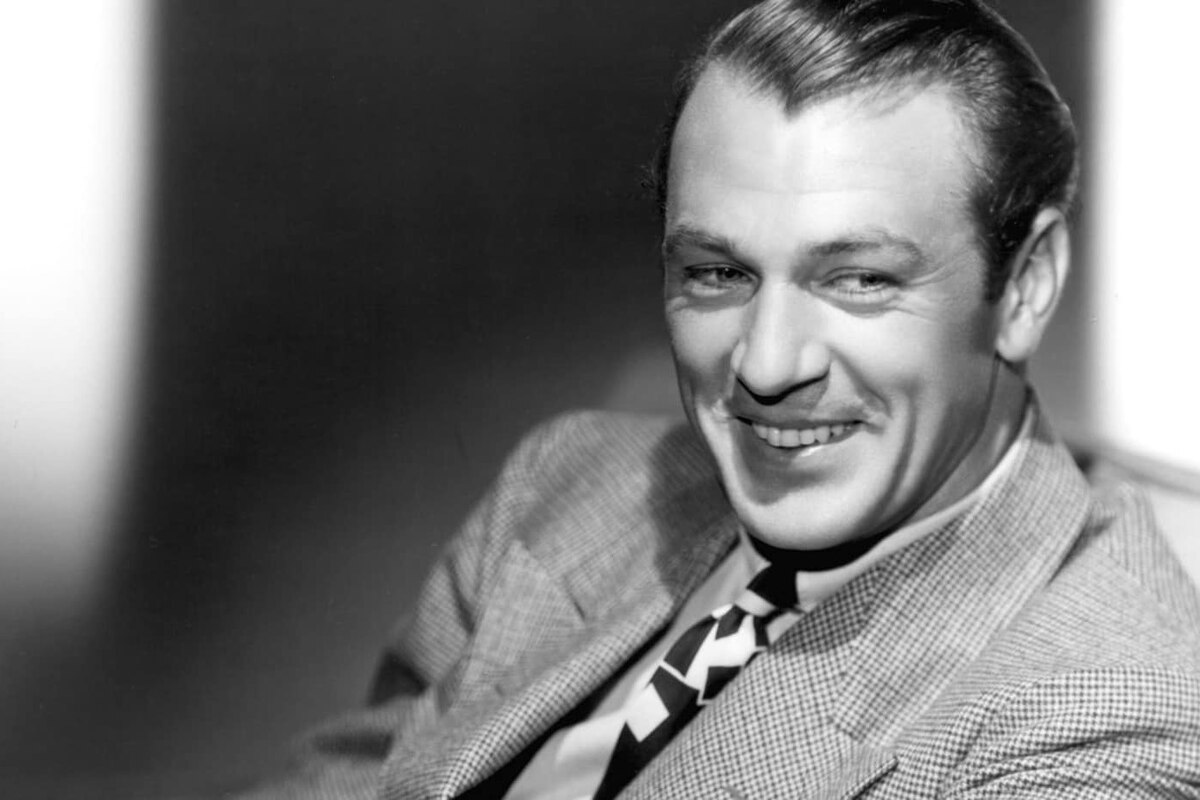
“What ever happened to Gary Cooper?” Tony Soprano wondered that aloud in the pilot episode of The Sopranos in 1999, but the question had lingered for years at that point. Ever since Cooper died in 1961, after more than three decades of dominating American screens with one of the most eclectic oeuvres in Hollywood history, no actor has conveyed depth, swagger, and humility with such a distinctive presence.
Plenty have tried to find it. Federico Fellini supposedly deemed Clint Eastwood “the new Gary Cooper” early in his acting career. The label was later applied to Sam Shepard after the release of The Right Stuff in 1983 and Kevin Costner when Field of Dreams opened in 1989. In the late ‘90s, it was used to describe Pierce Bronsan during his run as James Bond. The Guardian tried it out on Viggo Mortensen in 2009. Cooper’s name was also tossed around with regard to Heath Ledger and Jamie Dornan. At a pivotal moment in last year’s Oscar contender Jay Kelly, George Clooney gazes into the mirror and imagines that his eponymous fictional star could exist alongside Cooper in the history books.
With apologies to all those formidable talents, none of them come close. Ultimately, the new Gary Cooper is really the same as the old Gary Cooper, the graceful persona memorialized by over 100 films that span virtually every commercial genre. Contrary to Tony’s pontifications, Cooper didn’t go anywhere. Movies are forever.
Whether guarding a small town in High Noon or a vulnerable woman in The Hanging Tree, Cooper suffused his work with a comforting moral conscience, the way America has so often wanted to see itself. The romantic figure of the WWI-set A Farewell to Arms and the pacifistic Quaker in the Revolutionary War epic Friendly Persuasion both showcase the spirit of individualism in the midst of mass conflict. Frank Capra’s Meet John Doe doubled as a referendum on Cooper’s stardom. Much as the working class sees Cooper’s character as a reflection of their daily struggles, the actor became an avatar for relatable conundrums in the form of powerful storytelling.
The absence of Cooper — or anyone like Cooper — throws today’s star system into sharp relief. Current popularity often turns on which personalities can dominate the news cycle, generate likes, and navigate life in public as a single, interlocked performance in public. The financing model behind movies turns on a short list of bankable stars that changes on the basis of ephemeral box office numbers. Influencers perform for their own cameras under the guise of authenticity even as they often exaggerate and embellish. Cooper transcended the need for hyperbole. No matter the demands of the movie, he sat at its center and willed it into credibility, as well as commercial success.

In the forward to the memoir written by Gary Cooper’s daughter in 1999, Tom Hanks (who may have been described as “the new Gary Cooper” a few decades back) puts it bluntly: “There isn’t an actor alive who would not give his all to have just one of these films roles as a credit. Two would make a career. … But even the lesser films of his career only enhance the mystery of Gary Cooper and his process. Was acting in films really as easy for him as he made it look? Did he simply hit his marks and do what came naturally?”
These questions have no easy answers, but clues abound. Cooper had no formal training as an actor, but emerged from a quiet Montana lifestyle that permeated his performances and his professionalism alike. With few exceptions, Cooper was generally a collaborative, good-natured presence on set. He befriended many of the directors he worked with throughout his career. His complicated personal life never interfered with the cinematic gravitas he brought to the screen. His daughter Maria Cooper Janis quotes him in her memoir as saying, “If I know what I’m doing, I don’t have to act.”
The best movie stars make their personal lives into the performance rather than enabling discrete identities to take shape in popular culture. Comedian Nikki Glaser nailed it when hosting the Golden Globes in January as she stared down Leonardo DiCaprio in the audience, joked about his young girlfriend, then apologized with context: “We don’t know anything else about you!”
But we do, of course: We know the movies. The same goes for Gary Cooper. Art is an extension of personality, identity, and worldviews. Actors may not write or dictate every moment they appear onscreen, but they embody the culmination of the efforts taking place behind the camera. Cooper’s performances suggest the outline of a person concerned with a world divided against itself, averse to collaboration, and fundamentally transactional. But his roles exist in opposition to those forces. He represents optimism in trying times, but not absolutism, either. You can be Tony Soprano or Tom Hanks and look to Cooper for advice.
And we all should. What ever happened to Gary Cooper? He never went anywhere. You just have to know where to look.
The second annual Gary Cooper Festival takes place May 1-4 at the Southampton Playhouse. Check out the full lineup here. The first official Gary Cooper Day in Southampton will be inaugurated with a free community screening of High Noon on May 7.